Glass damage is a common issue that can affect the safety, energy efficiency, and appearance of any property. Whether it is a small crack in a window or a more serious break in a glazed unit, knowing how to respond is essential. Choosing between glass repair and glass replacement is not always straightforward, as each option offers different benefits in terms of cost, time, and long-term performance. Understanding when to repair glass and when to replace it can help homeowners and businesses avoid unnecessary expenses while maintaining security and comfort. In many cases, seeking professional window repair & replacement guidance can make the decision clearer and more effective. This guide explores the key differences between glass repair and glass replacement, helping you make informed, practical decisions.
Understanding Glass Repair
Glass repair is the process of fixing minor damage while keeping the original pane in place. This option is typically used when the glass remains structurally sound and the issue is limited to surface-level damage.
Common examples of repairable issues include small chips, light cracks, and minor scratches. In double-glazed units, slight seal issues may also be addressed without full replacement. The aim of repair is to restore clarity, prevent further damage, and extend the life of the glass.
Repair techniques often involve specialised materials, such as clear resin, which are applied to damaged areas. These materials bond with the glass, helping to stabilise cracks and improve the appearance. While repair can be effective, it is only suitable when the damage is contained and not affecting the overall strength of the pane.
What Does Glass Replacement Involve?
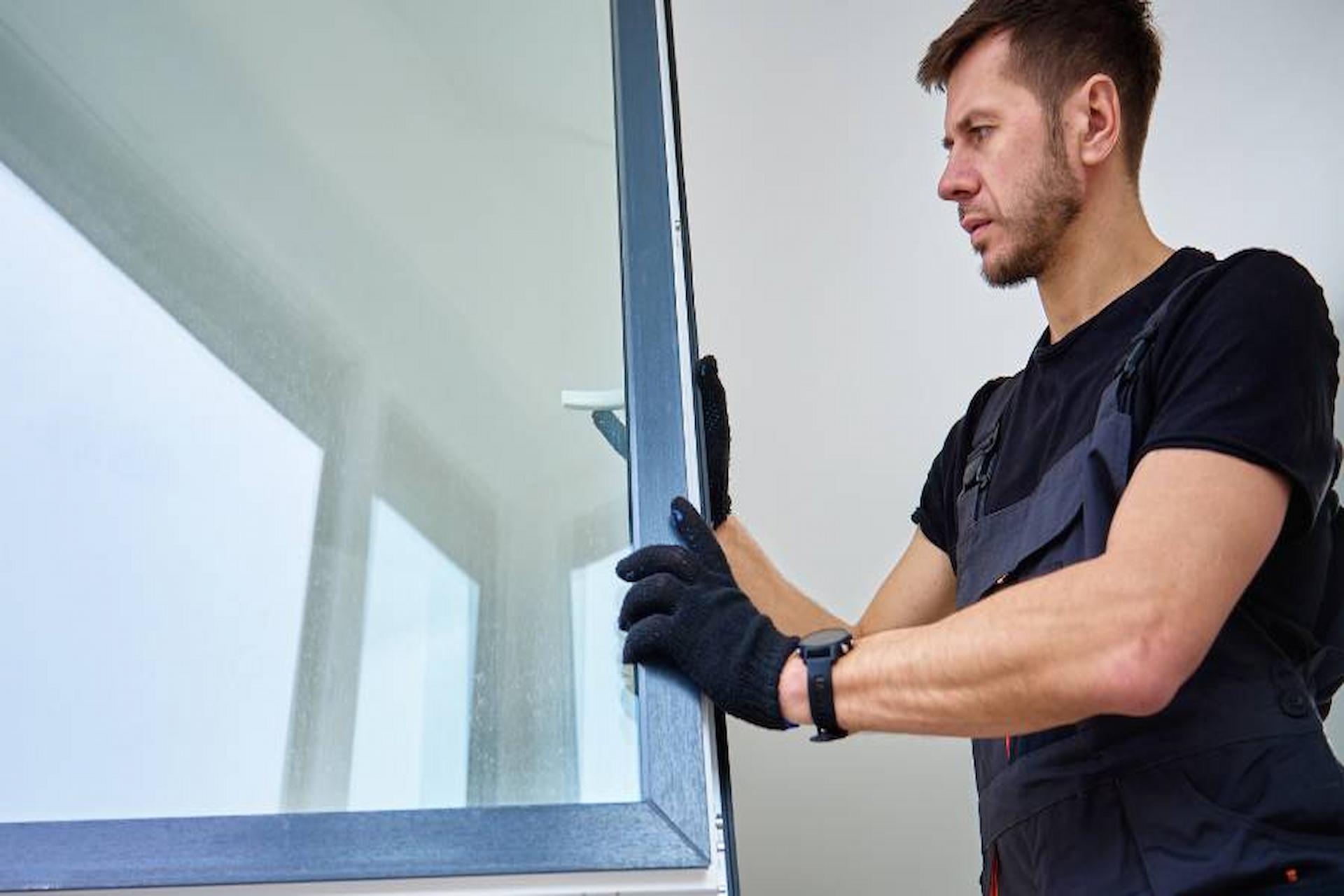
Glass replacement is a more comprehensive solution. It involves removing the damaged pane entirely and installing a new one in its place. This approach is necessary when the glass can no longer perform its function safely or efficiently.
Replacement is commonly required when cracks are large, spreading, or located near the edges. It is also essential when glass has shattered or when double glazing has failed, leading to condensation between panes.
Installing new glass provides a complete solution. It not only resolves visible damage but also restores insulation, security, and performance. In many cases, replacement offers an opportunity to upgrade to modern, energy-efficient glazing.
Cost Differences: Short-Term vs Long-Term Value
Cost is often the first factor people consider when deciding between repair and replacement. While repair is usually the less expensive option upfront, it may not always offer the best long-term value.
Repair tends to be more affordable because it requires fewer materials and less labour. For minor damage, it can be a cost-effective way to restore functionality without replacing the entire pane. However, if the damage worsens over time, additional repairs may be needed, increasing overall costs.
Replacement, on the other hand, involves a higher initial investment. The cost depends on factors such as glass type, size, and installation requirements. Despite this, replacement can be more economical in the long run. New glass improves energy efficiency, reduces heat loss, and often requires less maintenance, which can lower ongoing expenses.
Time Considerations: Repair vs Replacement
The time required for each option can also influence your decision, especially if the damage affects security or comfort. Glass repair is generally quicker. In many cases, it can be completed in a single visit, making it a convenient choice for minor issues. The process is straightforward and causes minimal disruption.
Glass replacement may take longer, particularly if the new pane needs to be custom-made. The process includes removing the damaged glass, preparing the frame, and installing the new unit. While some replacements can be completed quickly, more complex jobs may require additional time. Even so, professional glazing services often prioritise urgent cases to ensure safety is restored as soon as possible.
When Repair Is the Right Choice
Repair is the best option when the damage is minor and does not compromise the strength or performance of the glass.
It is suitable when:
- Cracks or chips are small and stable
- Damage is not near the edges of the pane
- The glass remains structurally sound
- Insulation and sealing are not affected
In these situations, repair can extend the life of the glass without the need for a full replacement. It is a practical and efficient solution for maintaining usability while keeping costs low.
When Replacement Is Necessary
Replacement becomes essential when the damage is more serious or when the glass can no longer function effectively.
You should consider replacement if:
- Cracks are large or spreading
- The glass is shattered or unstable
- There is condensation between double-glazed panes
- Insulation or energy efficiency is reduced
- The glass is outdated or worn
In these cases, repair would only provide a temporary fix. Replacement ensures that the problem is fully resolved and helps prevent further issues.
Safety and Energy Efficiency
Safety is a key concern when dealing with damaged glass. Even small cracks can weaken the structure, making the glass more likely to break under pressure or temperature changes. Prompt action is important to reduce risks.
Energy efficiency is another important factor. Damaged or ageing glass can allow heat to escape, increasing energy consumption and affecting indoor comfort. Replacing old or inefficient glazing can improve thermal performance and create a more comfortable environment.
Making an Informed Decision
Choosing between glass repair and replacement depends on the extent of the damage, your budget, and your long-term priorities. Repair is ideal for minor issues that do not affect performance, while replacement is the better option for more serious damage or when improvements are needed.
Seeking professional advice can help you assess the situation accurately. A qualified specialist can identify whether repair is sufficient or if replacement will provide a more reliable outcome.
Conclusion
The decision between glass repair and glass replacement is not always straightforward, but understanding the differences makes it easier to choose the right option. Repair offers a quick and cost-effective solution for minor damage, while replacement provides a more durable and long-term fix for serious issues.
By considering factors such as cost, time, safety, and efficiency, you can make a well-informed choice that protects your property and ensures lasting results. Addressing glass damage promptly not only maintains the appearance of your home or business but also supports comfort, security, and energy performance over time.