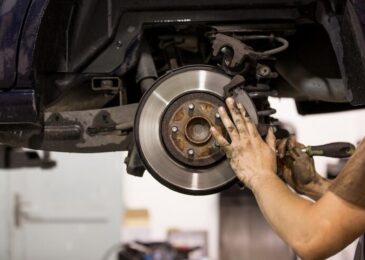
An organised workshop makes everyday work easier to control. Mechanics can find tools, vehicles can move safely, and unfinished jobs are less likely to be forgotten. The aim is to give equipment, parts, paperwork and vehicles a clear place so the next step is obvious.
Start with the floor plan. Vehicle routes, pedestrian areas, lifts, work bays and storage should not compete for the same space where this can be avoided. HSE guidance for motor vehicle repair highlights risks such as slips, trips, poor manual handling and vehicle movement. Keeping routes clear is a practical safety control.
Tools should have a normal home. Shadow boards, labelled drawers and dedicated trolleys make missing items easier to notice. Shared specialist tools need a simple sign-out method so staff know where they are. It also reduces the chance that a tool will be left inside a vehicle.
Consumables can create clutter quietly. Gloves, cloths, lubricants, fasteners and cleaning products should have set storage levels and locations. Staff can restock from a main store rather than keeping large personal supplies around each bay. A simple minimum-stock marker helps the team reorder before essential items run out, while avoiding open boxes spread across work areas.
Parts need a different system. New parts for booked work can be grouped by job number, while removed parts awaiting customer approval or disposal should be kept separately. Fluids, batteries, tyres and other items may have specific storage or disposal requirements, so they should not be placed wherever there is spare space. Containers should be suitable, clearly identified and kept in the correct area.
Paperwork and digital records also affect workshop order. Every job should have a clear status, such as waiting, in progress, awaiting parts, awaiting customer approval or ready for collection. This can be shown on workshop software, a job board or another reliable system. Staff should use one source of truth rather than conflicting notes.
Vehicle keys deserve controlled storage away from casual access. Labels should identify the job without revealing more customer information than necessary. If a technician, valeter or driver takes a key, the team should be able to see who has it. This prevents wasted time and supports control over customer vehicles under motor trade insurance.
A short reset at set times can be more effective than waiting for a major clean-up. Five or ten minutes before lunch or closing can be used to remove rubbish, return tools, wipe spills, close containers and move completed jobs to the correct area. A blocked route or leaking container should not remain until the next scheduled tidy.
Workshop organisation should also include equipment checks. Jacks, axle stands, lifts and other work equipment must be used correctly and maintained as required. HSE guidance says a jack should never be the only support beneath a vehicle. Staff need suitable training and should report damaged equipment rather than working around the problem.
Good scheduling supports the physical system. Booking more vehicles than the workshop can safely hold creates congestion and encourages rushed decisions. Leaving realistic space for unexpected work, parts delays and final checks helps keep bays flowing.
Insurance documents should be stored where the right people can find them, even if the main policy is held digitally. Having motor trade insurance does not remove the need to check permitted drivers and uses before a vehicle goes on the road.
A tidy workshop also sends a message to customers. An orderly reception, controlled key handover and clear updates suggest that vehicles are managed carefully. That confidence comes from routine, not decoration.
The best systems are simple enough to survive a genuinely busy trading day without creating extra work. Clear zones, labelled storage, controlled keys, visible job status and regular resets give staff fewer things to remember. When those habits sit alongside sound safety routines and appropriate motor trade insurance, the workshop becomes easier to manage without adding unnecessary administration or delay.