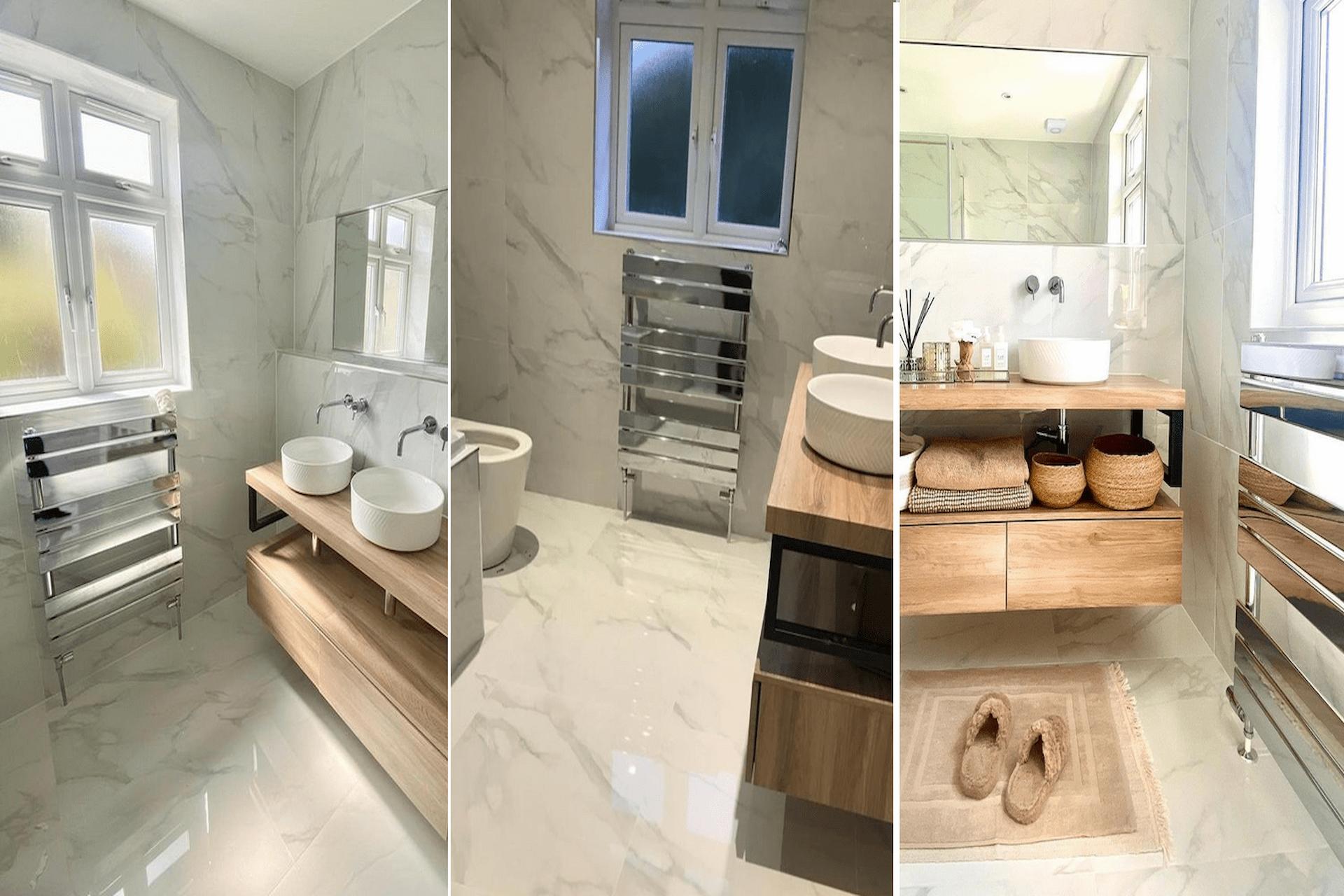
A small bathroom can be one of the most challenging spaces in the home to heat effectively. Limited wall space, moisture levels, and the need for comfort all play a role in deciding where a radiator should be installed. The right placement can make a noticeable difference to warmth, energy efficiency, and the overall usability of the room.
When choosing bathroom radiators, many homeowners focus on style and size first. While these factors are important, positioning is equally critical. Even the most efficient radiator may struggle to deliver optimal performance if it is installed in the wrong location.
This guide explores how to position a radiator in a small bathroom to maximise efficiency, improve comfort, and make the most of the available space.
Why Radiator Placement Matters
Heat distribution is not always uniform. A poorly positioned radiator can create warm and cold spots throughout the room, forcing the heating system to work harder than necessary.
In a compact bathroom, every centimetre matters. The right location helps:
- Improve heat circulation
- Reduce energy consumption
- Prevent cold areas
- Increase comfort after bathing or showering
- Make better use of limited wall space
Careful planning can help achieve a warmer bathroom without increasing heating costs.
Position the Radiator Near the Coldest Area
One of the most effective principles of radiator placement is to install it close to the room’s main source of heat loss. In most bathrooms, this is usually the window or an external wall.
By placing the radiator beneath a window or near an outside-facing wall, the heat helps counteract incoming cold air. This creates a more balanced temperature throughout the room and reduces the feeling of draughts.
In modern bathrooms with smaller windows, placing the radiator on the nearest available external wall can still provide similar benefits.
Make Use of Vertical Space
Small bathrooms often lack sufficient wall area for traditional horizontal radiators. In these situations, vertical designs can be a practical solution.
Tall radiators and heated towel rails provide effective heating while occupying a smaller footprint. They can fit comfortably between fixtures such as sinks, toilets, and shower enclosures.
Using vertical wall space allows homeowners to maintain valuable floor and wall areas for storage, mirrors, and other bathroom essentials.
Avoid Blocking Heat Flow
Radiators need space around them to operate efficiently. Heat must be able to circulate freely throughout the room.
Avoid positioning a radiator behind:
- Large cabinets
- Laundry baskets
- Bathroom furniture
- Thick towels that completely cover the unit
Obstructions can trap heat and reduce efficiency. Even in a compact bathroom, maintaining clear airflow around the radiator will improve performance.
If a heated towel rail is being used, avoid overcrowding it with multiple thick towels, as this can significantly restrict heat output.
Consider Proximity to the Shower or Bath
Many homeowners prefer to step out of the shower into a warm environment. Positioning the radiator relatively close to the shower or bath can improve comfort, especially during colder months.
However, safety regulations must always be considered. Bathrooms are divided into electrical safety zones, and heating products must comply with installation requirements.
Professional advice is recommended when selecting the exact location, particularly if electrical components are involved.
Choose the Right Height
The installation height of a radiator can affect how effectively heat is distributed.
Most radiators perform best when mounted slightly above floor level. This allows cooler air to enter from below, warm up, and rise naturally through the room.
In small bathrooms, raising the radiator too high may reduce heating efficiency. Conversely, installing it too low can make cleaning difficult and may expose it to splashes or moisture.
A balanced height ensures optimal airflow while maintaining practicality.
Think About Towel Drying Needs
Many modern bathroom radiators serve a dual purpose by providing heat and drying towels. If this is a priority, positioning should reflect daily habits.
A towel rail installed near the shower or bath offers convenient access while helping towels dry more quickly. This can reduce dampness and improve overall bathroom hygiene.
The ideal location should combine easy access with effective heat circulation rather than focusing solely on convenience.
Account for Door Openings and Layout
Bathroom doors often limit available wall space. Before choosing a radiator location, consider how doors open and close.
A radiator placed behind a door may:
- Restrict heat circulation
- Limit access
- Reduce usable wall space
- Make maintenance more difficult
Creating a simple floor plan before installation can help identify the most effective location without interfering with the room’s functionality.
Match Heat Output to Room Size
Positioning alone cannot compensate for an undersised radiator. To achieve efficient heating, the radiator must be appropriately sized for the room.
Factors influencing heat requirements include:
- Room dimensions
- Ceiling height
- Window size
- Insulation levels
- External wall exposure
Choosing the correct heat output ensures the radiator can maintain a comfortable temperature without excessive energy use.
Once the appropriate size has been selected, positioning helps maximise its effectiveness.
Don’t Forget Ventilation
Bathrooms naturally generate moisture from showers, baths, and sinks. Good ventilation is essential for maintaining comfort and preventing condensation.
Radiator placement should complement the room’s ventilation system rather than compete with it.
Avoid positioning a radiator directly where airflow from extraction fans immediately removes heated air. Instead, aim for a location that supports even heat distribution while allowing moisture to be effectively extracted.
Final Thoughts
Positioning a radiator in a small bathroom requires more thought than simply choosing an empty section of wall. The most efficient placement balances heat distribution, room layout, comfort, and practicality.
Installing a radiator near areas of heat loss, keeping airflow unobstructed, making use of vertical space, and considering daily bathroom routines can all contribute to better performance. Combined with the correct radiator size, thoughtful positioning helps create a warmer, more comfortable bathroom while making efficient use of energy.
A well-placed radiator not only improves heating efficiency but also enhances the overall experience of using a small bathroom throughout the year.